Queensway flat cleaning tips for landlords and tenants
Posted on 04/07/2026
If you are trying to hand back a flat in good shape, or get one ready for the next occupant, the cleaning question can turn oddly tense very quickly. Tenants want their deposit back. Landlords want the property presentable, protected, and easier to re-let. And in a busy London spot like Queensway, where flats can see heavy use, tight turnarounds, and a fair bit of day-to-day wear, the details really matter.
This guide to Queensway flat cleaning tips for landlords and tenants breaks the job into practical steps, explains what usually causes friction, and shows how to clean in a way that feels organised rather than frantic. You will find a checklist, comparison table, common mistakes, and real-world guidance you can actually use. Nothing flashy. Just the stuff that saves time, money, and a few headaches.
Why Queensway flat cleaning tips for landlords and tenants Matters
Cleaning is rarely just about appearance. In a rental flat, it affects trust, turnaround time, and how fairly a handover feels. A well-cleaned property makes a place easier to inspect, easier to market, and easier to live in. A poorly cleaned one can lead to awkward conversations over marks on walls, kitchen grease, limescale, stains, or the dreaded "that was already there" debate.
Queensway flats often come with a mix of original features, compact kitchens, shared hallways, older bathrooms, and a lot of high-touch surfaces. That means dust builds up in corners, extractor fans get grimy, and window tracks seem to collect everything except good intentions. It is the sort of environment where a quick surface wipe is never quite enough. Not if you want the place to look properly cared for.
For tenants, the aim is usually simple: leave the property in the condition expected under the tenancy agreement, taking normal wear and tear into account. For landlords, the goal is equally practical: present a hygienic, move-in-ready flat that protects the asset and reduces complaints. The sweet spot is a clean that is fair, documented, and thorough without becoming overcomplicated.
Truth be told, most disputes do not start with one dramatic mess. They start with small missed areas. A skirting board. A sticky shelf. Limescale in the shower. Those tiny details are where expectations drift apart.
How Queensway flat cleaning tips for landlords and tenants Works
The process works best when both sides treat cleaning as a shared handover task rather than a vague hope that "someone will sort it." It helps to think in three stages: before cleaning, during cleaning, and after cleaning.
Before cleaning
Check the tenancy agreement and any inventory or check-in report. That gives you the baseline. If the flat was professionally cleaned when the tenant moved in, the standard is usually to return it to a similar condition, allowing for ordinary wear. If the flat was not spotless at the start, that matters too. Context matters more than people like to admit.
It also helps to walk through the property in daylight, if possible. Early afternoon with the curtains open can reveal what overhead light hides: smeared mirrors, dust on cabinet tops, soap residue in the bathroom, the lot.
During cleaning
The most efficient approach is top to bottom, dry to wet, room by room. Start high with cobwebs, light fittings, and shelves. Then move to surfaces, appliances, fixtures, and finally the floors. If you vacuum before dusting, you will probably just tidy the dust for a second round. Annoying, but true.
Landlords and tenants should also be realistic about what is being cleaned. General clean, deep clean, end-of-tenancy clean, one-off refresh, or pre-let preparation all involve different levels of detail. A light refresh is not the same as a proper reset. If the flat has been empty for a while, services such as deep cleaning or end-of-tenancy cleaning may make more sense than an ordinary tidy-up.
After cleaning
Once the work is done, inspect the property room by room and compare it against the inventory photos or notes. Take your own pictures too. A few clear images of the kitchen, bathroom, carpets, appliances, and any sensitive areas can save endless back-and-forth later. It is not about being defensive. It is about being clear.
Key Benefits and Practical Advantages
There are some obvious benefits to getting flat cleaning right, but the less obvious ones are often the most useful.
- Fewer deposit disputes: A clean property with evidence is easier to assess fairly.
- Faster lettings: A ready-to-go flat is easier to show and easier to hand over.
- Better first impressions: Clean kitchens and bathrooms do more heavy lifting than people think.
- Lower long-term wear: Regular removal of grime helps protect surfaces, fittings, and soft furnishings.
- Less stress at move-out: A clear plan beats a last-minute rush every time.
There is also a psychological benefit. When a flat smells clean, looks cared for, and feels orderly, people naturally treat it better. That sounds soft, maybe even a bit vague, but in practice it matters. The whole handover goes smoother. Landlords feel reassured. Tenants feel less exposed. Everyone breathes a little easier.
For landlords, a properly cleaned flat can also support other property goals. If you are managing multiple units, it slots neatly into wider planning around letting, maintenance, and even long-term value. If you are thinking about the wider property picture, this sits well alongside local resources like your Bayswater real estate investment roadmap and selling homes in Bayswater.
Who This Is For and When It Makes Sense
This guidance is for landlords, tenants, letting agents, and anyone stuck in the middle trying to make a handover work. But the timing varies.
For tenants
If you are moving out, cleaning matters most in the final stretch. The last week is usually when people discover the inside of an oven they had happily ignored for months. Fair enough. Life gets busy. Still, that is the moment to work through the flat systematically rather than scrambling on moving day.
For landlords
If you are preparing a flat for viewings, new tenants, or a mid-tenancy reset, cleaning is part of presentation and upkeep. It can also be useful after a long occupancy, a renovation, or a period where the property has been empty. For a more flexible reset, some landlords prefer a one-off cleaning visit before deciding whether the home needs more specialist attention.
For letting agents and property managers
Your job is usually coordination, documentation, and expectation-setting. A clear cleaning standard avoids mixed messages. If one person says "just wipe it down" and another expects a full reset, well, that conversation will not improve on its own.
It also makes sense after any period of heavy use, a party, a tenant change, or a stretch of damp weather when mould spots and condensation issues become more visible. In London flats, that happens more often than anyone wants to admit.
Step-by-Step Guidance
The simplest way to clean a Queensway flat properly is to work methodically. Below is a practical order that keeps you from missing the small stuff.
- Declutter first. Remove bins, old food, stray items, and anything left in cupboards or under beds. Cleaning around clutter wastes time.
- Dust from the top down. Start with light fittings, tops of doors, picture rails, curtain rails, and shelves.
- Move into the kitchen. Clean worktops, cupboard fronts, splashbacks, sinks, taps, extractor hoods, hob, and oven. The oven often needs the most attention. No surprise there.
- Focus on the bathroom. Remove limescale, soap residue, grime around grout, and hair from drains. Check behind the toilet and around the base. Tiny area, big reveal.
- Tackle living areas and bedrooms. Wipe switches, sockets, skirting boards, window ledges, and wardrobe interiors if included.
- Vacuum and mop floors. Use the right method for the floor type. Wood, tile, laminate, and carpet all behave differently.
- Finish with touchpoints. Handles, banisters, remote controls, door plates, and other frequently touched items should be sanitised and polished if appropriate.
- Inspect in good light. Open curtains, turn on lamps, and check corners. It is amazing what a side light reveals.
Room-by-room priorities
Kitchen: Inside and outside of appliances, cupboard handles, splashback grease, sink rims, seals around the hob, and bins.
Bathroom: Shower glass, taps, plugs, tiles, grout, ventilation grilles, and mould-prone edges.
Living room: Dusty shelves, skirting, upholstery crumbs, window ledges, and carpet marks.
Bedrooms: Wardrobes, drawers, under-bed dust, mirrors, and curtain rails.
Hallways: Foot marks, handprints, door edges, and stair corners. These are the bits people notice on the way in, so do not leave them for last in a half-hearted way.
Expert Tips for Better Results
A few small choices make the whole clean more effective. These are the bits that separate a decent result from a genuinely polished handover.
Use dwell time wisely
Sprays and descalers often need a minute or two to work. Do not spray and immediately wipe if you want the product to do anything useful. Let it sit, then lift the grime with a cloth. Simple, but most people rush this part.
Work with microfiber, not paper towels
Microfiber cloths catch dust better and reduce streaks on glass and shiny kitchen surfaces. They are especially handy for taps, mirrors, and appliance fronts.
Clean fabrics separately
Curtains, cushions, and upholstered items can trap dust and odour. If the flat includes soft furnishings, a specialist approach can help. For example, if the home has delicate window treatments, this related guide on how to keep velvet curtains looking luxurious and clean may be useful as a reference point for fabric care, though the exact method depends on the material.
Do not ignore smells
A flat can look neat and still feel wrong if there is stale cooking odour, bin smell, or damp. Open windows where possible. Empty bins. Check under sinks and behind appliances. Sometimes the problem is not visible, just quietly sitting there. You know the type.
Protect surfaces while cleaning
Always test products on a small area if you are unsure, especially on stone, wood, painted surfaces, and delicate metals. A strong cleaner can do more damage than the dirt if used carelessly.
Use the right service when needed
When the property needs more than a standard clean, it is sensible to match the service to the job. Many landlords choose house cleaning or domestic cleaning for routine upkeep, then move to a deeper reset before a new tenancy begins. If carpets are tired or stained, a proper carpet cleaning can make the whole flat feel newer without a full refurb.
Common Mistakes to Avoid
Most cleaning problems are not dramatic. They are just avoidable. Here are the ones that come up again and again.
- Leaving cleaning until moving day: This is how people end up wiping skirting boards while waiting for a van.
- Cleaning only what is visible: Inventory checkers often look exactly where people forget to clean.
- Using too much product: More cleaner does not mean cleaner. It often means sticky residue.
- Ignoring appliances: Ovens, fridges, and washing machines are classic dispute points.
- Forgetting high and low spots: Light fittings and skirting boards are both easy to miss.
- Not documenting the result: If there is no photo record, memory becomes a bit too flexible.
- Assuming "fair wear and tear" covers everything: It does not. A bit of scuffing is normal; built-up dirt is not.
One of the biggest mistakes is emotional, not practical. People decide the clean should be "good enough" because they are tired, or because they think the other party is being difficult. That is usually when standards slip. Better to be calm and specific. Much better.
Tools, Resources and Recommendations
You do not need a warehouse of supplies. A focused kit is usually enough for a flat of typical size.
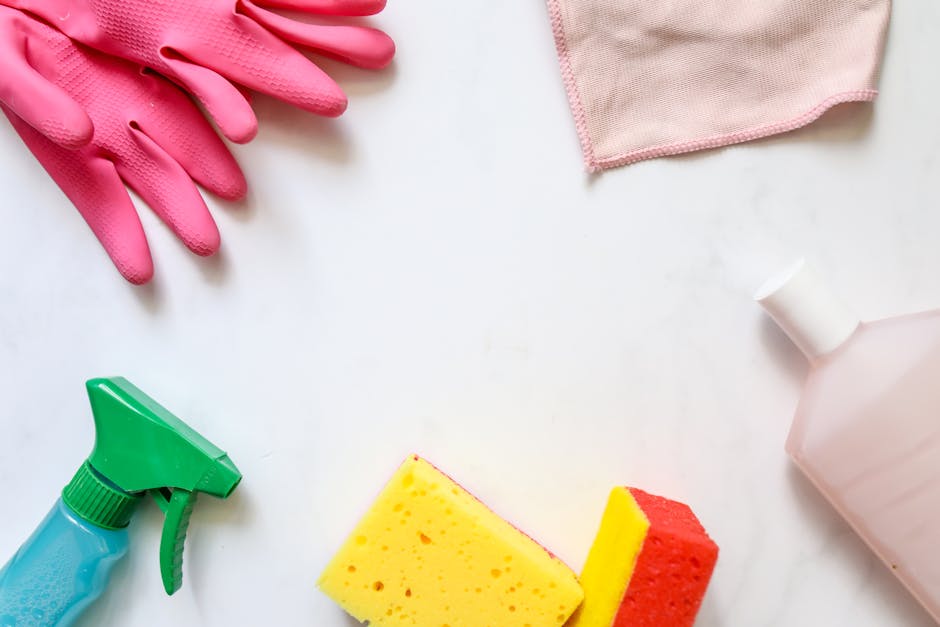
- Microfiber cloths
- Vacuum cleaner with attachments
- Mop and bucket
- Non-abrasive all-purpose cleaner
- Bathroom descaler
- Glass cleaner
- Scrub sponge and soft brush
- Rubber gloves
- Bin bags and small liners
- Old toothbrush for corners, seals, and grout lines
For landlords managing multiple turnovers, a more structured plan helps. Keep a repeatable cleaning checklist for each flat, store inventory photos, and note any recurring problem areas such as limescale, extractor fans, or carpet wear. That way, you are not reinventing the wheel every time.
If you need more than a standard clean, it can help to compare service types before booking. The following pages are useful starting points: services overview, spring cleaning, and pricing and quotes. For a property that needs a fuller reset, the deep cleaning option is often the better fit.
Law, Compliance, Standards, or Best Practice
This part matters because cleaning disputes are rarely just about dirt. They are usually about expectations, evidence, and fairness.
In UK rental practice, the exact cleaning obligation usually comes from the tenancy agreement, inventory, and general expectations around returning a property in a similar condition, allowing for fair wear and tear. The details can vary, so it is wise to read the agreement carefully rather than rely on assumptions. If anything feels unclear, a landlord, agent, or property manager should set the standard in writing.
For landlords, safety and maintenance also sit beside cleanliness. Dirty extractor fans, blocked ventilation points, mould growth, or neglected soft furnishings can quickly turn into wider problems. Good cleaning supports good housekeeping, and good housekeeping supports a safer living environment. That is just common sense, really.
Best practice usually includes:
- clear pre-tenancy and move-out inventories
- dated photographs before and after cleaning
- proper attention to kitchens, bathrooms, and appliances
- reasonable distinction between wear and tear versus neglect
- safe use of cleaning products and equipment
If you are handling the property professionally, it is also sensible to keep service information, safety guidance, and business policies organised. Pages like insurance and safety, health and safety policy, terms and conditions, and complaints procedure help build trust around the process. For background about the company itself, you can also review about us.
And yes, documentation sounds dull. But the day a disagreement appears, it suddenly becomes the most interesting thing in the world.
Options, Methods, or Comparison Table
Not every flat needs the same approach. Here is a simple comparison to help you choose the right method.
| Method | Best for | Typical strengths | Watch-outs |
|---|---|---|---|
| Standard clean | Routine maintenance, light turnover | Quick, cost-conscious, good for visible surfaces | May miss built-up grime, ovens, and limescale |
| Deep clean | Move-outs, neglected areas, full refreshes | More detail, better for kitchens and bathrooms, stronger handover result | Takes longer and usually costs more |
| End-of-tenancy clean | Check-out preparation, landlord re-letting | Focused on inventory-level detail, helps reduce disputes | Needs good scheduling and clear scope |
| One-off cleaning | Single reset after events, long gaps, or unusual mess | Flexible, useful when the property needs a refresh rather than a regular plan | Can be too broad if expectations are not defined |
If the property includes heavy footfall, soft furnishings, or older carpets, pairing methods often works best. A deep clean with carpet attention, for example, can lift the flat in a way that surface cleaning simply cannot. It is not glamorous. It is effective.
Case Study or Real-World Example
A typical Queensway flat turnover might look like this: a tenant has lived there for eighteen months, the kitchen has seen plenty of weekday cooking, the bathroom has some limescale, and the hallway carpet has the usual London grit near the entrance. Nothing shocking. Just normal life, really.
The tenant starts with a quick tidy but notices the oven is the main issue. The landlord, meanwhile, is aiming to re-let the flat quickly and wants photos ready for viewings by the end of the week. They agree on a clear standard: tenant clears personal items and does a thorough final clean, while the landlord arranges a follow-up refresh for anything that needs specialist attention.
That usually works better than arguing over every speck. In this kind of case, the biggest wins come from:
- cleaning the oven and extractor properly
- removing limescale from bathroom fixtures
- vacuuming edges and under furniture
- wiping cupboards inside and out
- freshening carpets where needed
If there are stubborn marks or the flat needs a stronger reset, a targeted service can be sensible. For example, upholstery cleaning can be useful when sofas and dining chairs have absorbed everyday use, and carpet cleaning can take care of the dull, tired look that builds up over time. When a whole-property refresh is needed, landlords often prefer a structured end-of-tenancy cleaning approach rather than trying to patch together multiple quick fixes.
That sort of handover tends to feel calmer. Less drama. More certainty. And honestly, that is worth a lot when people are busy, keys are changing hands, and someone is trying to get the boiler manual out of a drawer at the same time.
Practical Checklist
Use this as a final walk-through before the property is handed over.
- All rubbish removed from rooms, cupboards, and outdoor bins
- Kitchen counters, sink, taps, hob, oven, and cupboard fronts cleaned
- Fridge, freezer, and other appliances emptied and wiped
- Bathroom tiles, shower screens, taps, toilet, and grout cleaned
- Window ledges, skirting boards, switches, and door handles wiped
- Floors vacuumed and mopped, with attention to corners and edges
- Carpets checked for visible marks or odours
- Upholstery and curtains inspected for dust and stains
- Mirrors and glass surfaces streak-free
- Light fittings, vents, and extractor fans dust-free
- Any damage or persistent marks photographed
- Keys, manuals, and leftover items accounted for
Quick tip: do one last sweep with your phone torch before leaving. It is slightly annoying how well it reveals missed dust, but there we are.
Expert summary: The best Queensway flat cleaning plan is the one that is specific, documented, and matched to the condition of the property. Landlords need consistency; tenants need fairness; both need proof. When the clean is planned properly, the handover feels a lot less like a negotiation.
Conclusion
Queensway flat cleaning tips for landlords and tenants are really about making the handover simpler, clearer, and more respectful for both sides. A proper clean reduces friction, protects the condition of the property, and helps everyone move on with less hassle. That is the goal, after all.
Whether you are a tenant trying to leave on good terms or a landlord preparing for the next occupancy, the smartest approach is to clean methodically, document the result, and use the right level of service for the job. Sometimes a straightforward refresh is enough. Sometimes a deeper reset is the wiser move. Either way, the property should feel cared for, not rushed.
If you are planning a move-out, a new tenancy, or a much-needed refresh, the safest next step is to review the property honestly and decide what level of cleaning it truly needs. That one decision usually saves the most time.
Get a free quote today and see how much you can save.
For a little more local context on life and property in the area, you might also find it useful to browse Embrace the charm of Bayswater or the pros and cons of living in Bayswater. Queensway and Bayswater overlap in the real world more than people think, so the practical lessons travel well.


